Description
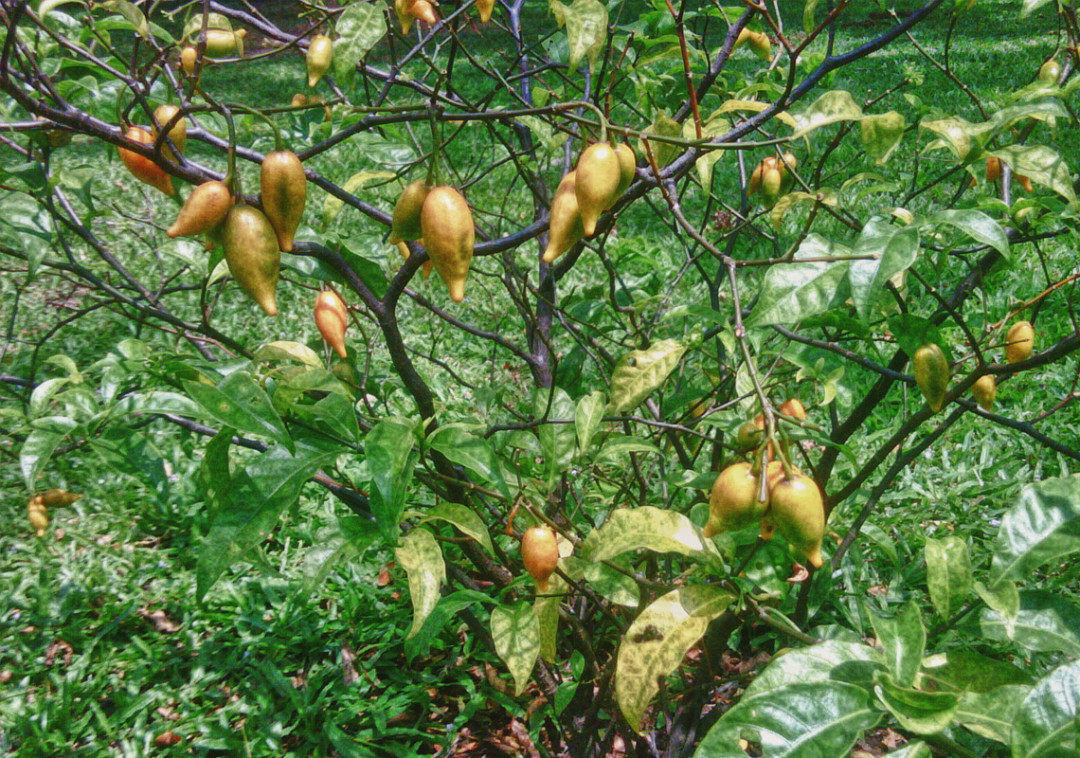
Ibogaine is a naturally occurring alkaloid of the Tabernanthe iboga plant, which is native to West Central Africa. It ’s a powerful psychedelic that has been used medicinally and in religious ceremonies for centuries. But now a growing network of doctors, researchers and activists – many of whom are active in ‘underground’ ibogaine treatment centres because its use is illegal in many countries – say this substance is the new wonder drug for treating opiate addiction. It may also be effective for addictions to alcohol and nicotine and the treatment of obsessive compulsive disorders. Ibogaine was first popularised in the 60s by former heroin addict Howard Lotsof who found that, after just one dose, he had completely lost his craving for heroin without having to go through the typically brutal and potentially fatal withdrawal process. Lotsof’s experience has been repeated by many addicts, including some from New Zealand, who have been treated in clinics run by his followers in countries like Canada and the West Indies where its use is not illegal. Those treated typically report a dreamlike phase lasting several hours followed by an intense and lucid introspective phase than can last for days. During this, subjects often say they are able to examine and understand the psychological and emotional reasons for their drug-taking. This is also when they typically notice the complete absence of withdrawal symptoms, which, for many, never return. Some are even surprised to experience a new and resolute determination never to return to drug use. The theory is that ibogaine works by filling in opiate receptor sites, which ends cravings for the drug and effectively hits the reset button on the brain’s neurotransmitter mechanisms. At the same time, the liver metabolises it into noribogaine, which is thought to have powerful detoxifying and anti-depressant properties. This further helps eliminate the pain and danger associated with withdrawal. In the US, ibogaine is designated under Schedule 1 due to its “high potential for abuse or addiction and no known medicinal applications”, but this is patently ridiculous. Unlike other treatment substances such as methadone, ibogaine is in fact nonaddictive and doesn’t need to be taken on a continuing basis. Its effectiveness makes its medicinal value obvious, and it has virtually no abuse potential – it is incredibly expensive and comes with some unfortunate short-term side-effects such as heavy nausea. Even Timothy Leary said, “It’ll never be a party drug.” Admittedly, clinical evidence for ibogaine’s effectiveness in humans is a little patchy, but this is largely because pharmaceutical companies have routinely failed to get behind its research – concentrating instead on more profitable addiction maintenance drugs. Anecdotal evidence for its effectiveness is, however, overwhelming and cannot be disregarded. Ibogaine works, it’s natural and it’s safe. Not one of the few deaths associated with its use has been caused by ibogaine itself. Each resulted from pre-existing medical conditions that are now rigorously screened for by those administering ibogaine treatment. It is time to take this wonder drug out of the too-hard basket and approve it for more widespread use. If we consider the suffering of millions of addicts around the world – and of their loved ones – that could be completely overcome, not to do so would be a tragic sin of omission.
Reviews
There are no reviews yet.